Journal
Choosing a placement for a first tattoo
Where it will be seen, how it will age, how much it tends to hurt, and why a forearm or a calf is where most first tattoos go.
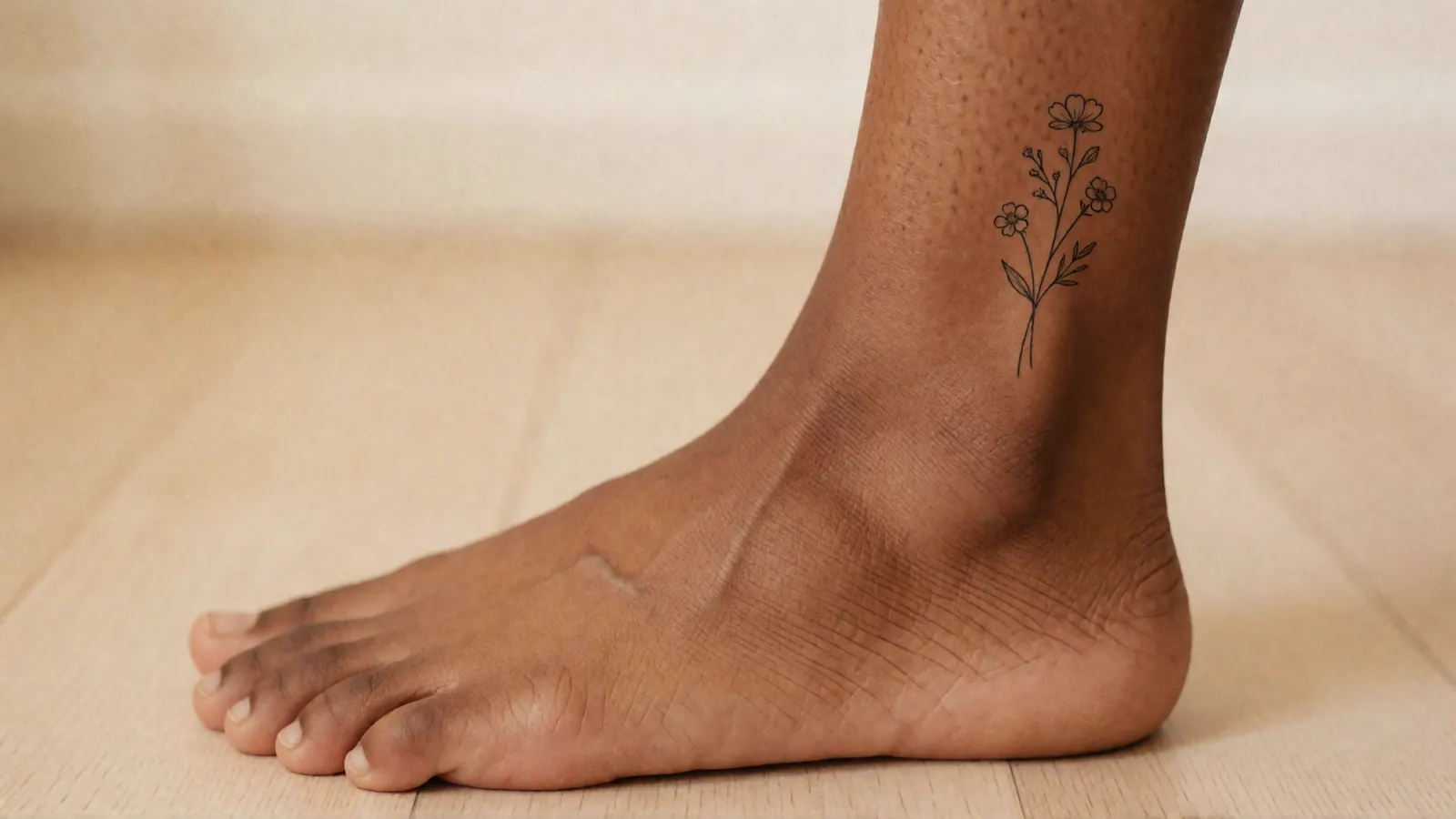
The photograph behind this heading is AI-generated: the person in it is not real, and not a client.
Where a tattoo goes decides more than people expect: who sees it and when, how it ages, how much of the session you feel, and which room it is tattooed in. It is worth settling early, because a design is drawn for a placement and not the other way around.
Your artist draws the design for your placement and shows it to you at the start of your session. Changes are made then, inside the session's time.
Where it will be seen
A forearm and a calf are seen when you choose to show them. A shoulder shows in a tank top and disappears under a shirt. A rib piece is seen by very few people. None of that is better or worse, and the useful question is who you want to see it, and in what clothes.
Think about work and about the people you see every day, and think about the warm months as well as the cold ones. A tattoo you can cover when you need to and show when you want to gives you the choice back.
How it will age
Skin that stretches, rubs or sits in the sun every summer ages a tattoo faster than skin that does not. A placement on a joint or a fold, such as the inside of the elbow, tends to need more attention over the years than the same design a few inches away on flatter skin.
Hands, fingers and feet fade fastest. Your artist will say so before tattooing them.
How fine line tattoos age goes into the detail, and the sizing advice there applies to every style.
Where it tends to hurt least and most
Some. How much depends on where it goes and on you: forearms and calves are usually the easiest, ribs, feet and the inside of the elbow the hardest. Your artist stops whenever you ask.
The pattern behind that answer is bone and padding. Skin that lies over bone, or close to it, such as the ribs, the top of the foot, the ankle and the inside of the elbow, is usually felt more. Fleshier areas such as the outer forearm, the calf and the outer upper arm are usually felt less.
That is general experience and never a promise. How a tattoo feels depends on the person and on the day, and your artist stops when you ask. What this studio says about pain gives the studio's whole position on pain.
Why so many first tattoos go on a forearm or a calf
Both are easy to reach, easy to keep still, easy to see while they heal and easy to look after, and neither needs the private room. Both are also forgiving: there is room to size a design properly, and the skin is usually well padded.
A first session on one of them also tells you how you feel about the process. A second tattoo can go anywhere, and most people choose it differently once they have sat through the first.
Placements that mean the private room
Back, chest, ribs or side, stomach, hip and thigh all mean taking a shirt off, or most of one. Every other placement is tattooed at your artist's own station on the open floor.
One private room. Most sessions happen at the artist's own station on the open floor. A placement that means taking a shirt off — the back, the ribs, the chest, the stomach, a hip or a thigh — is tattooed in the private room, with the door closed. There is one private room, so the calendar books it with the artist, and a rib piece can wait for the room even when its artist is free.
Size and placement go together
A small piece on a wrist and a large piece on the same wrist are two different decisions, and the same idea can suit one placement and look cramped on another. Bring more than one placement to the consultation if you are unsure. Your artist can tell you on the spot which suits the design.
Meet first. A consultation is thirty minutes with the artist who will tattoo you. You bring the idea and any pictures you have; you leave with a placement, a size, a written quote in hours and a date if you want one. There is no charge for it, and nothing is owed if you decide not to go ahead.
Two pieces from the portfolio
Every tattoo pictured on this site was generated, and each one says so. How these pictures were made explains the rules.
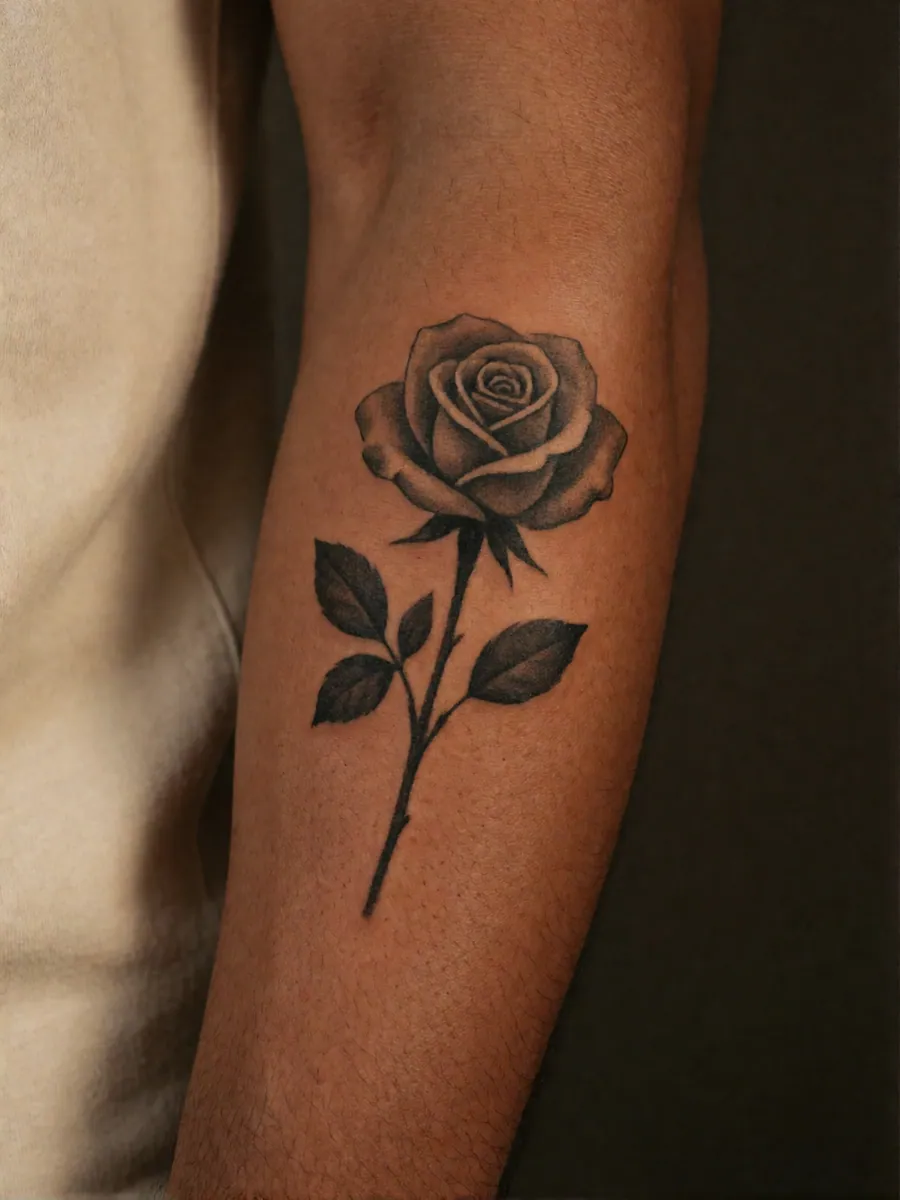 AI-generated image: not a real person, not a client.
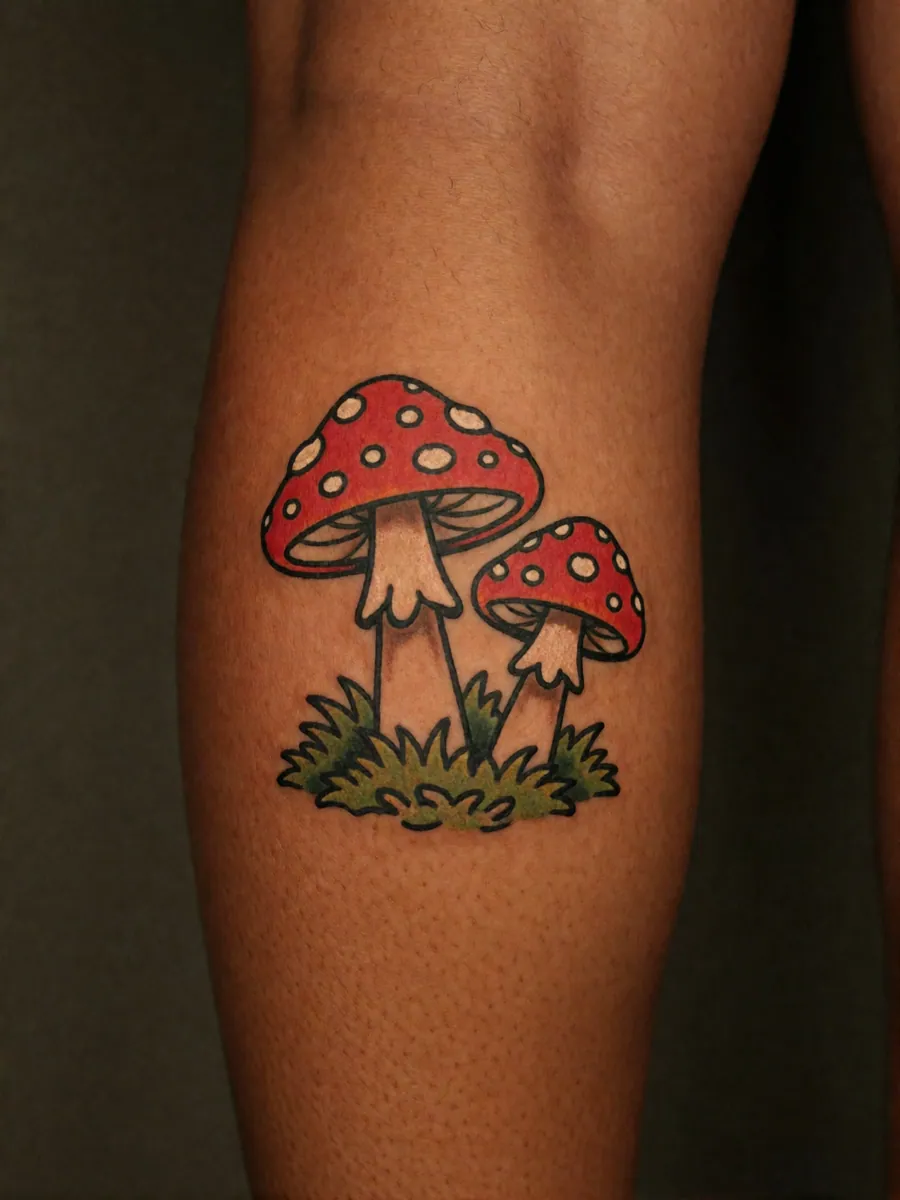 AI-generated image: not a real person, not a client.
Where to go next
- Custom tattoos — drawn for your placement, after a consultation.
- The artists — who draws what, and when they work.
- Consultations — placement, size and a written quote in hours.
Book a consultation
Book a consultation with the artist you want and bring your pictures. There is no charge for it, nothing is paid online, and nothing is tattooed until you have met.